How to Start a Nature Journal in Canadian Forests
A step-by-step approach to setting up a field journal, choosing the right materials, and building consistent observation habits across seasons.
Practical guides on nature journaling, wildlife observation, and identifying the flora and fauna of Canada's boreal and mixed forests — written for people who spend time outdoors with a notebook.
Techniques for organising observations by date, location, weather conditions, and species — so your journal becomes a useful long-term reference.
Guides focused on species common to Canadian forests — from black-capped chickadees and spruce grouse to bunchberries and boreal moss communities.
Practical drawing approaches that do not require formal art training — contour sketching, proportion guidelines, and how to capture movement quickly.
Detailed observations and practical guidance from Canadian forest environments.
A step-by-step approach to setting up a field journal, choosing the right materials, and building consistent observation habits across seasons.
Field notes on recognising boreal chickadees, spruce grouse, pileated woodpeckers, and other species regularly encountered in Canadian coniferous and mixed forests.
Practical methods for drawing plants, mosses, and fungi in the field — with notes on proportion, texture, and recording seasonal changes in boreal undergrowth.
Keeping a field journal changes how you move through a forest. It slows you down, directs your attention, and builds a personal archive of what lives where and when — across years of visits to the same patch of trees.
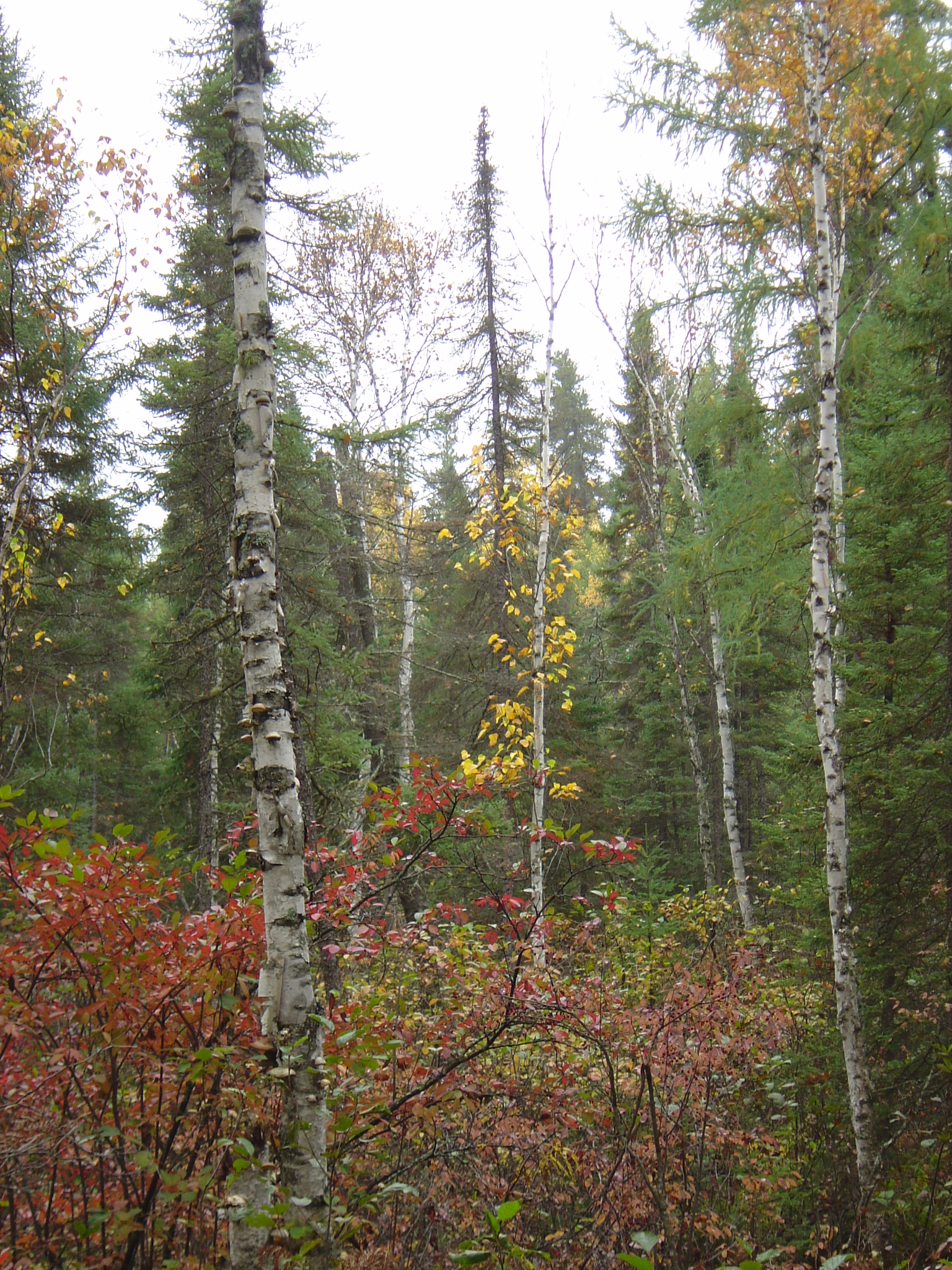
Canada's forests vary considerably by region. The spruce-fir stands of northern Ontario differ from the coastal Douglas fir of British Columbia, and both differ from the mixed hardwood-conifer forest of southern Quebec. A nature journal captures those differences in a way that a photo cannot.
Many forest mammals in Canada are most active at dawn and dusk. White-tailed deer, moose, black bears, and smaller species like red squirrels and snowshoe hares appear regularly along forest edges and along waterways.
Field notes on mammals typically include movement direction, estimated group size, behaviour at time of sighting, and habitat type. Track impressions in mud or snow extend the record beyond direct visual contact.
Questions about field techniques, species identification, or specific forest regions in Canada — use this form to reach us.